Sisu, Sauna and Koskenkorva for Midsummer

” When in Helsinki, do as the Finns do” 

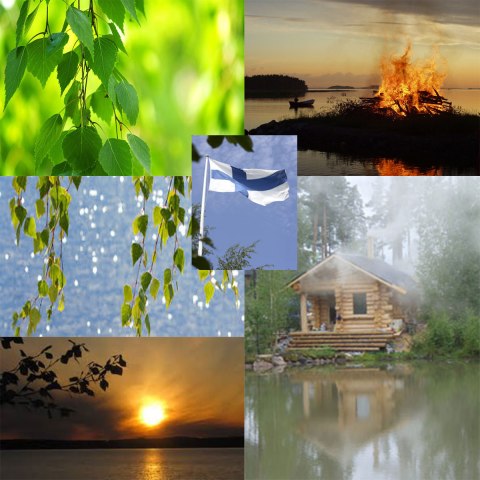
Sisu, Sauna and Koskenkorva

Finns, what a nationality
We have quite the ability
To enjoy ourselves
With life’s simple little things

Sauna, heated to at least eighty degrees
Surely hot enough to melt any cheese
Beating each other with branches of birch
Almost as purifying as absolution in a church

Sisu, the spunk, guts and percistence
We have plenty of through out our existance
Rally drivers, Nokia, Linux and the rest
We only deliver the best

Koskenkorva, pure spirit made out of barley
After drinking, don’t ride your Harley
The Swedes may prefer their Vodka
But for the Finns, it’s pure dogma

We have lakes and forrests in abundance
So please come and join us
For a visit in the green of nature
It won’t leave you denatured

Independence Day in Finland (since 06.12.1917)

Posted in Celebration/National Day

“My favourite country is Finland because once you get to a certain point, you can drive for hours without seeing a single person. I love peace and quiet – something I don’t get very often” Christopher Lee

1917

Our Land

Oh Our Land Finland Fatherland
Echo Loudly Golden Word
No Valley No Hill
No Water Shore More Dear
Than This Northern Homeland
This Precious Land Of Our Fathers
No Valley No Hill
No Water Shore More Dear
Than This Northern Homeland
This Precious Land Of Our Fathers
One Day From Your Bud
You Will Bloom
From Our Love Shall Rise
Your Hope Glorious Joy
And Once Your Song Fatherland
Higher Still Will Ring
From Our Love Shall Rise
Your Hope Glorious Joy
And Once Your Song Fatherland
Higher Still Will Ring

lippu-3

100 Years

Posted in Celebration
Happy 100th Birthday Finland!

“Finland is no utopia” Bernie Sanders

100 Years

In the midst, of the roughest of winters
When a death sentence
Could have been as simple, as a splinter
In the year of our dawn
This is what our fore fathers saw:
The opportunity for independence
Even, if it meant a death sentence

Marching to the Tsar’s palace
Their intentions nothing out of malice
Nor, the intent of treason
But demanding simply, freedom

A heartfelt request as that
Was approved after a lengthy chat
Returning home in triumph
With these once people compliant
Celebration all over the land
Sooner than later begun

And it lasted a hundred years
Sometimes, turning into tears
But one hundred years later
All of us know, there is nothing greater
Than freedom and choice
Having your own voice
And a place, to call home

Happy 100th Finland!
And here is, to 100 more!

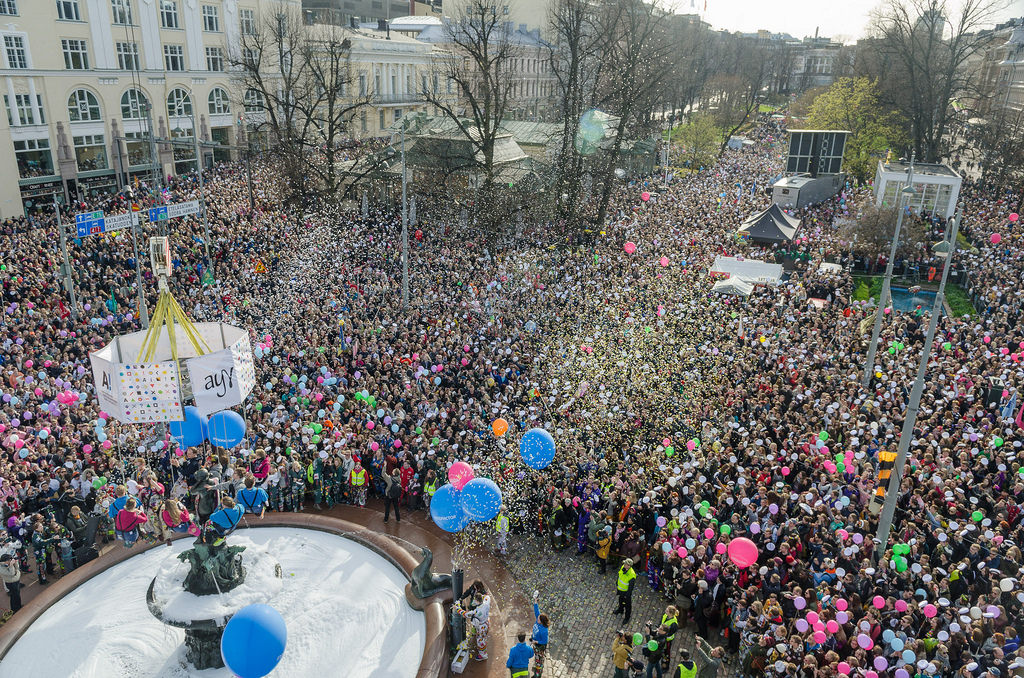
Finnish Labour Day Eve Celebration aka ‘Mantan Lakitus’

Posted in Celebration
Photo credits Google

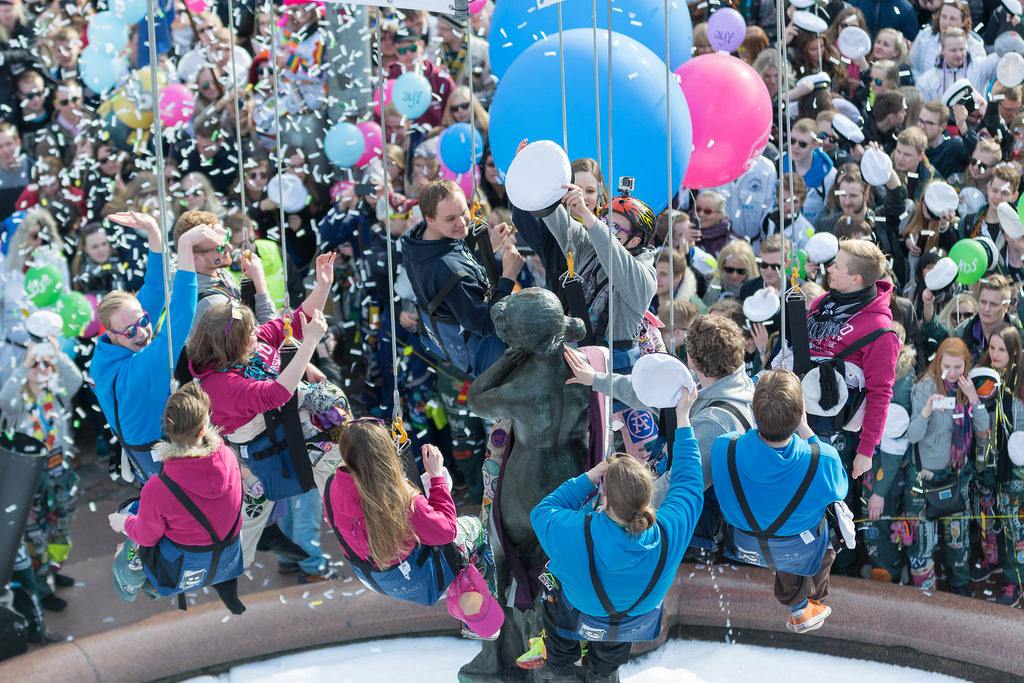
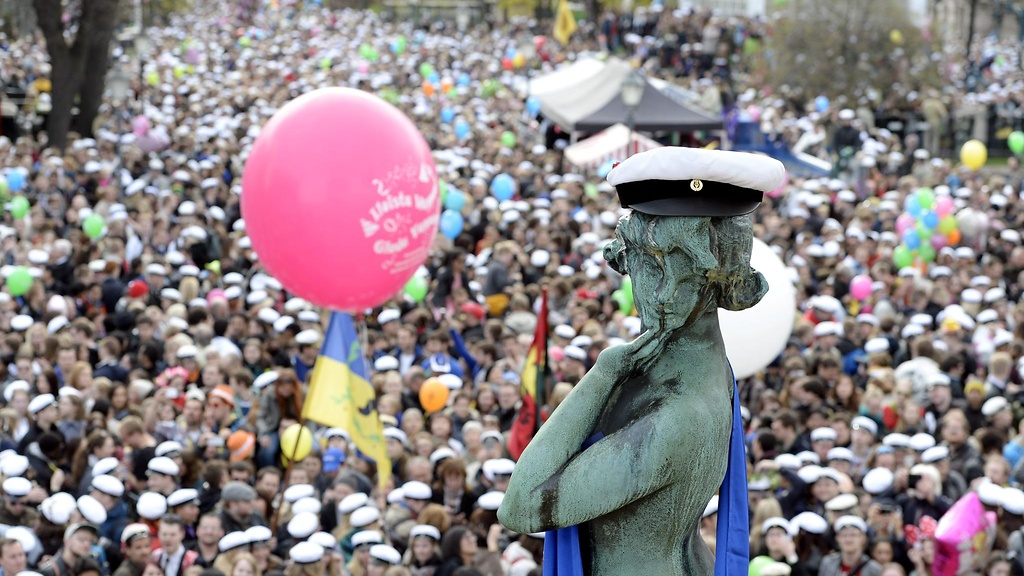
Finnish Labour Day Eve Celebration (30.04) aka ‘Mantan Lakitus’

Havis Amanda
The gorgeous lady
Rising from the sea
Naked as if bathing
Bearing everything
For the eyes to see
Tourists are watching
Cameras are clicking
A true beauty
Reflecting the city
Of Helsinki

Kalevala Day (Finnish Culture Day) 28th of February

Posted in Celebration/National Day 

“Words shall not be hid
nor spells buried
might shall not sink underground
though the mighty go.”
― Elias Lönnrot, The Kalevala

Kalevala Day (Finnish Culture Day) 28th of February

main-2

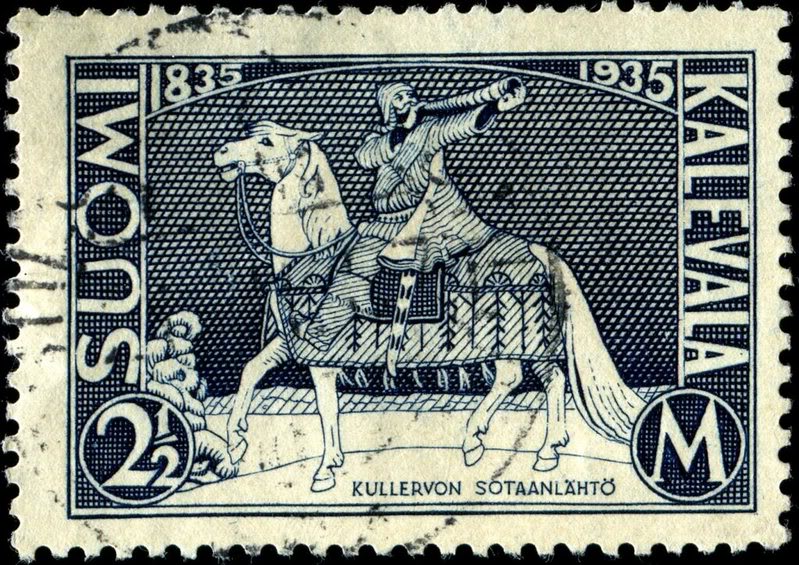
The Kalevala or The Kalewala (/ˌkɑːləˈvɑːlə/; Finnish: [ˈkɑle̞ʋɑlɑ]) is a 19th-century work of epic poetry compiled by Elias Lönnrot from Karelian and Finnish oral folklore and mythology.

It is regarded as the national epic of Karelia and Finland and is one of the most significant works of Finnish literature. The Kalevala played an instrumental role in the development of the Finnish national identity, the intensification of Finland’s language strife and the growing sense of nationality that ultimately led to Finland’s independence from Russia in 1917.

The first version of The Kalevala (called The Old Kalevala) was published in 1835. The version most commonly known today was first published in 1849 and consists of 22,795 verses, divided into fifty songs (Finnish: runot). The title can be interpreted as “The Land of Kaleva” or “Kalevia”.

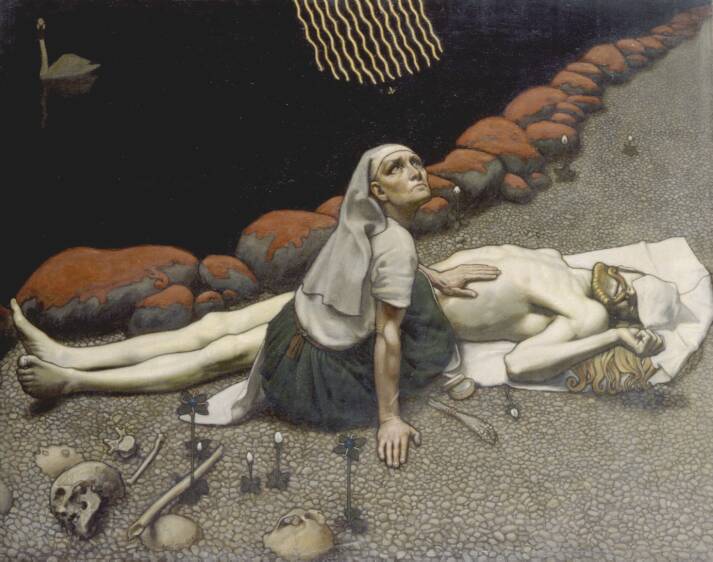
gallen_kallela_lemminkainens_mother

Shrove Tuesday (28th of February)

Posted in Celebration/National Day

“I started a Shrove Tuesday
and then by Ash Wednesday something had happened
and I had a bottle of beer”
Mick McCarthy

Shrove Tuesday (28th of February)

laskiainen

Shrove Tuesday (known in some countries as Pancake Tuesday or Pancake day) is a day in February or March preceding Ash Wednesday (the first day of Lent), which is celebrated in some countries by consuming pancakes. In others, especially those where it is called Mardi Gras or some translation thereof, this is a carnival day, and also the last day of “fat eating” or “gorging” before the fasting period of Lent.

In Finland, Shrovetide took on a new meaning after the Reformation started by the German Martin Luther (1483-1546) from ca 1520 on. In the rural calendar, it marked the date by which many springtime tasks and duties, like spinning etc, should be brought to conclusion.

Nowadays Shrovetide is more of a secular festival season, a time for winter sport enthusiasts as well as for feasts of fatty foods, although the Lenten fasting ritual is not practiced among the Finnish Evangelical-Lutheran Church.

On Shrove Tuesday, children in many kindergartens and schools are taken to spend the day tobogganing, ice skating or cross-country or downhill skiing.

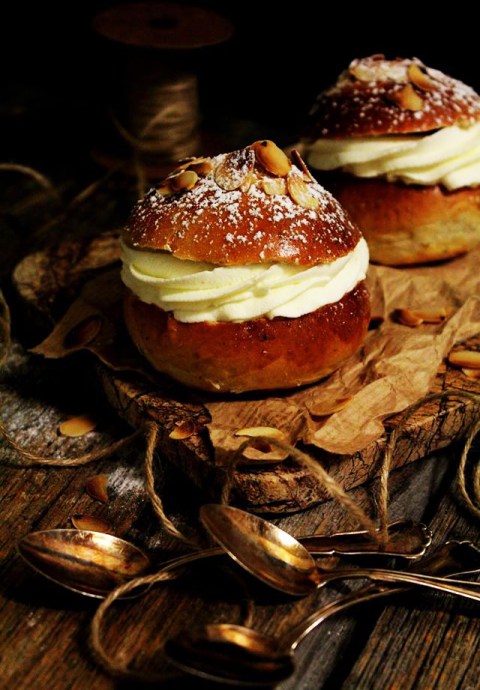
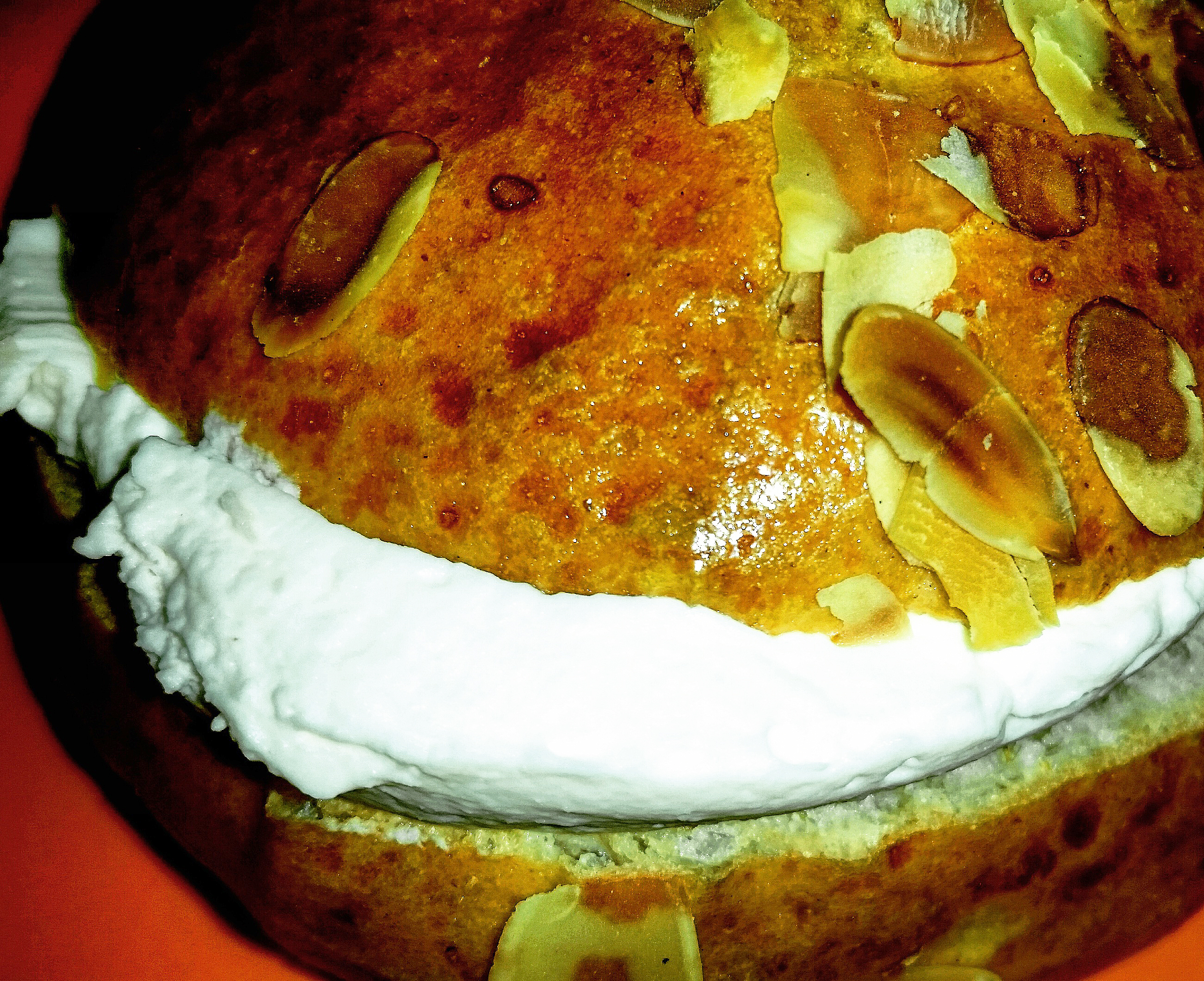
Popular Finnish Shrovetide desserts are Shrove buns, almond paste and whipped cream-filled sweet buns, which you will find sold in every bakery and store at Shrovetide, and Finnish oven-baked pancake served with jam. In Finland, the habit of eating Shrove buns can be dated back to the 17th century, but this tradition is even older in Sweden, where it originally came from.

laskiaispulla

Jean Sibelius Day, 8th of December

Posted in Celebration, National Day (Finland)

“My favourite country is Finland
because once you get to a certain point
you can drive for hours without seeing a single person.
I love peace and quiet – something I don’t get very often”
Christopher Lee

js-1

Jean Sibelius Day, 8th of December

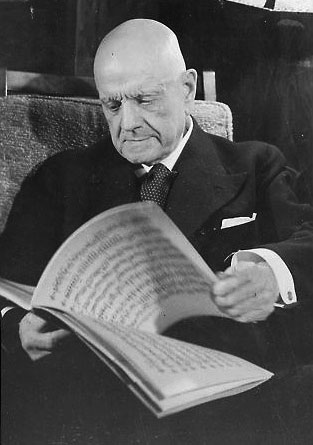
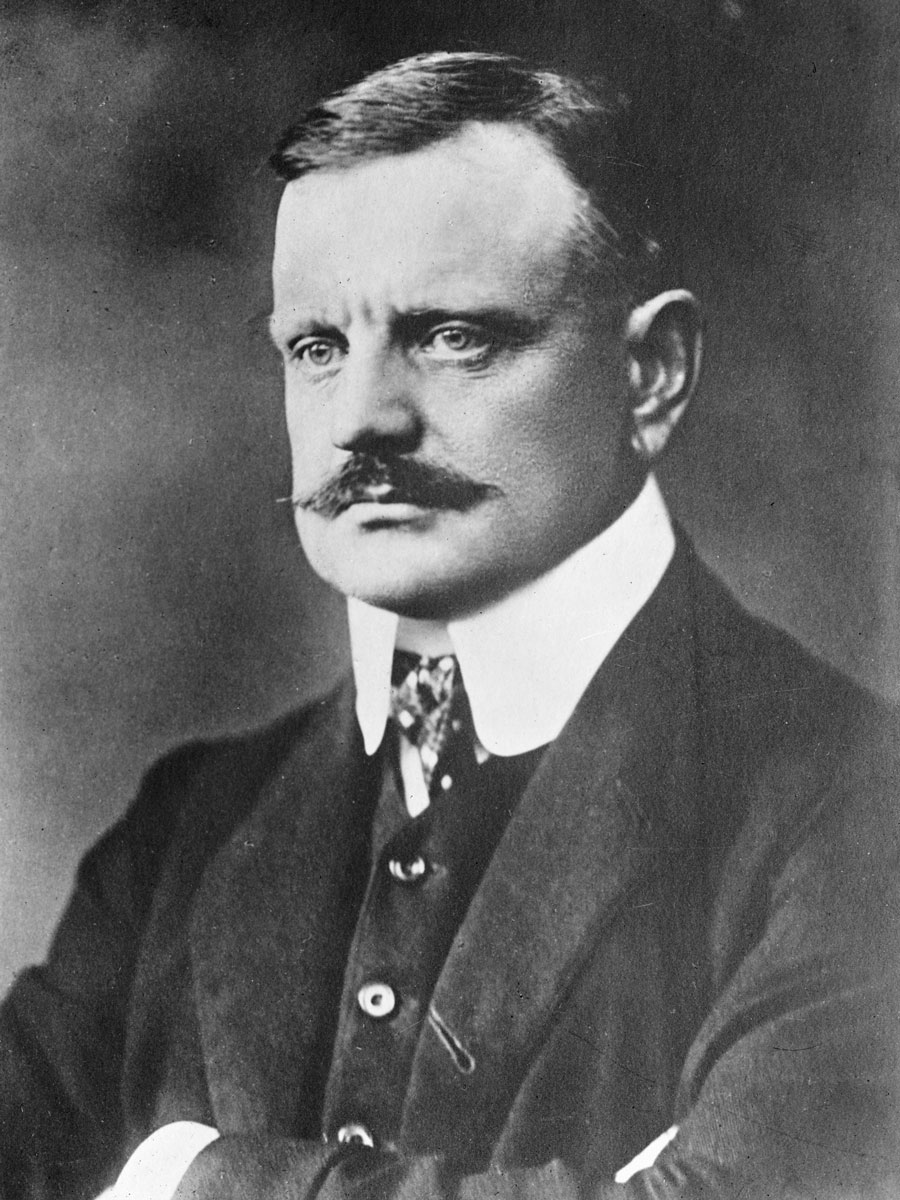
Jean Sibelius, born Johan Julius Christian Sibelius (8 December 1865 – 20 September 1957), was a Finnish composer and violinist of the late Romantic and early-modern periods. He is widely recognized as his country’s greatest composer and, through his music, is often credited with having helped Finland to develop a national identity during its struggle for independence from Russia.

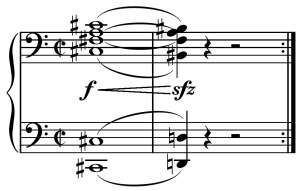
Sibelius composed prolifically until the mid-1920s but after completing his Seventh Symphony (1924), the incidental music for The Tempest (1926), and the tone poem Tapiola (1926).

js-2

Finlandia on YouTube

js-3

Eino Leino Day aka Day of the Poetry and Summer (06.07.2016)

Posted in Celebration, Fandom, National Poetry Day

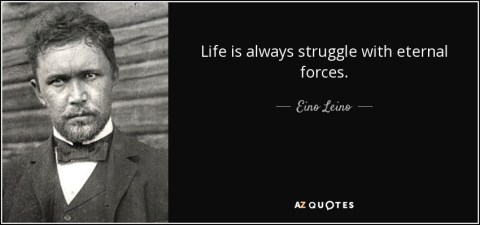
“Life is always struggle with eternal forces” Eino Leino

Eino Leino Day aka Day of the Poetry and Summer (06.07.2016)

Eino Leino (6 July 1878 – 10 January 1926) was a Finnish poet and journalist and is considered one of the pioneers of Finnish poetry. His poems combine modern and Finnish folk elements. The style of much of his work is like the Kalevala and folk songs. Nature, love, and despair are frequent themes in Leino’s work. He is beloved and widely read in Finland today.

Works in Finnish by Eino Leino at Project Gutenberg

Eino_Leino
Nocturne

(translated to English by Rupert Moreton)

Hark! My ears are catching corncrake’s clicking,
Silver moonlight shines on cobhead corn;
Summer evening’s blessing me, enriching,
Valley’s wreaths of smoky slash and burn.
Neither joying I, nor grieve I, mournful;
But for forest’s darkness am I yearnful,
Rose-gilt clouds the day’s protracted ending,
Windy sleeping hill o’er all extending,
Fragrant twinflower, shortening, lingering shade;
These the things from which my heart-song’s made.

Lady June-July, for you I’m singing,
Great the silence of my ardent heart,
Merry music make, for faith is mounting,
Verdant wreath of oak eternal start.
Foolish errands now I’ll make no longer,
Fortune blessèd hands will grasp the stronger;
Rippled pool of circles now decreasing;
Time has ceased and weathervane is sleeping;
Stretches road at twilit end of day,
Bound for home unknown, I take its way.

Kalevala Day (Finnish Culture Day) in Finland 28th of February

In honour of Kalevala Day 28th of February, Celebration

main

“Words shall not be hid
nor spells buried
might shall not sink underground
though the mighty go.”
― Elias Lönnrot, The Kalevala

Kalevala Day (Finnish Culture Day) in Finland 28th of February

main 2

The Kalevala or The Kalewala (/ˌkɑːləˈvɑːlə/; Finnish: [ˈkɑle̞ʋɑlɑ]) is a 19th-century work of epic poetry compiled by Elias Lönnrot from Karelian and Finnish oral folklore and mythology.

It is regarded as the national epic of Karelia and Finland and is one of the most significant works of Finnish literature. The Kalevala played an instrumental role in the development of the Finnish national identity, the intensification of Finland’s language strife and the growing sense of nationality that ultimately led to Finland’s independence from Russia in 1917.

The first version of The Kalevala (called The Old Kalevala) was published in 1835. The version most commonly known today was first published in 1849 and consists of 22,795 verses, divided into fifty songs (Finnish: runot). The title can be interpreted as “The Land of Kaleva” or “Kalevia”.

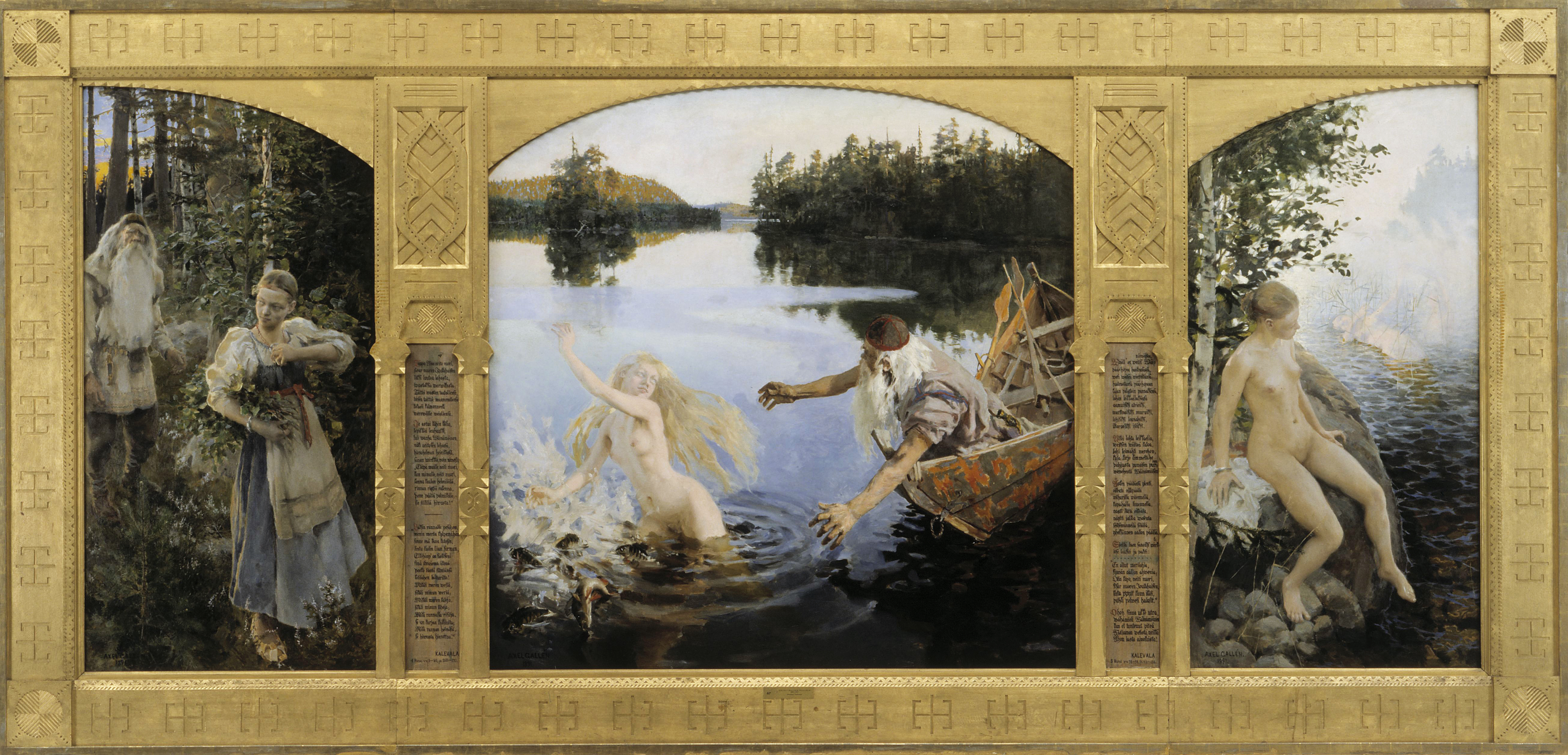
Gallen_Kallela_The_Aino_Triptych

gallen_kallela_lemminkainens_mother

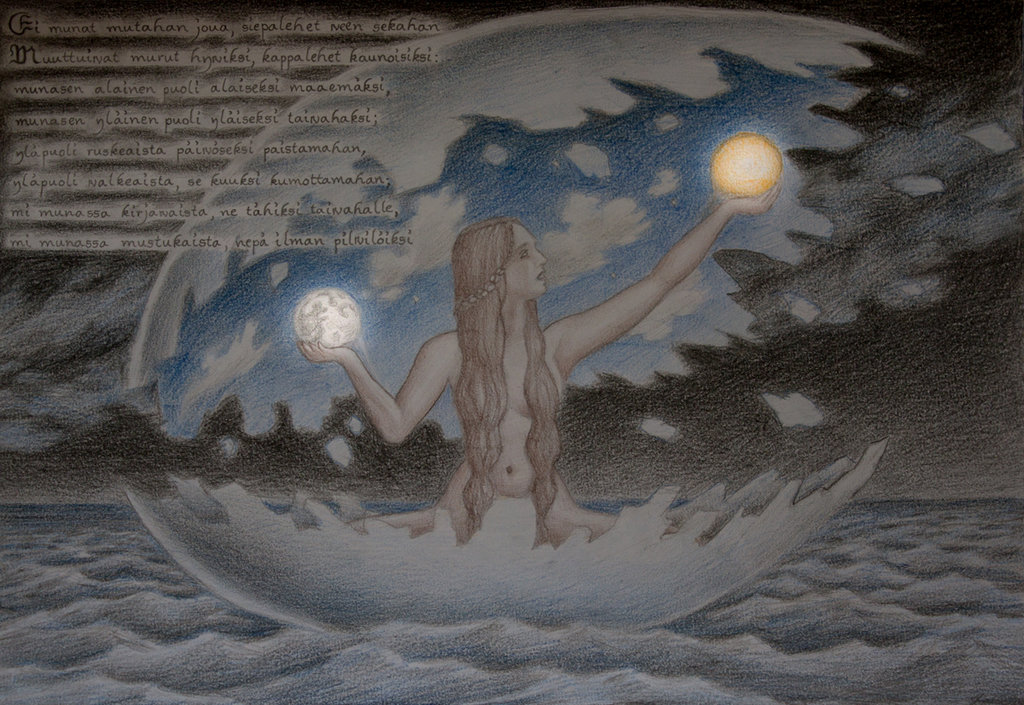
kalevala_series___ilmatar    kalevala_series___ilmatar_2jpg

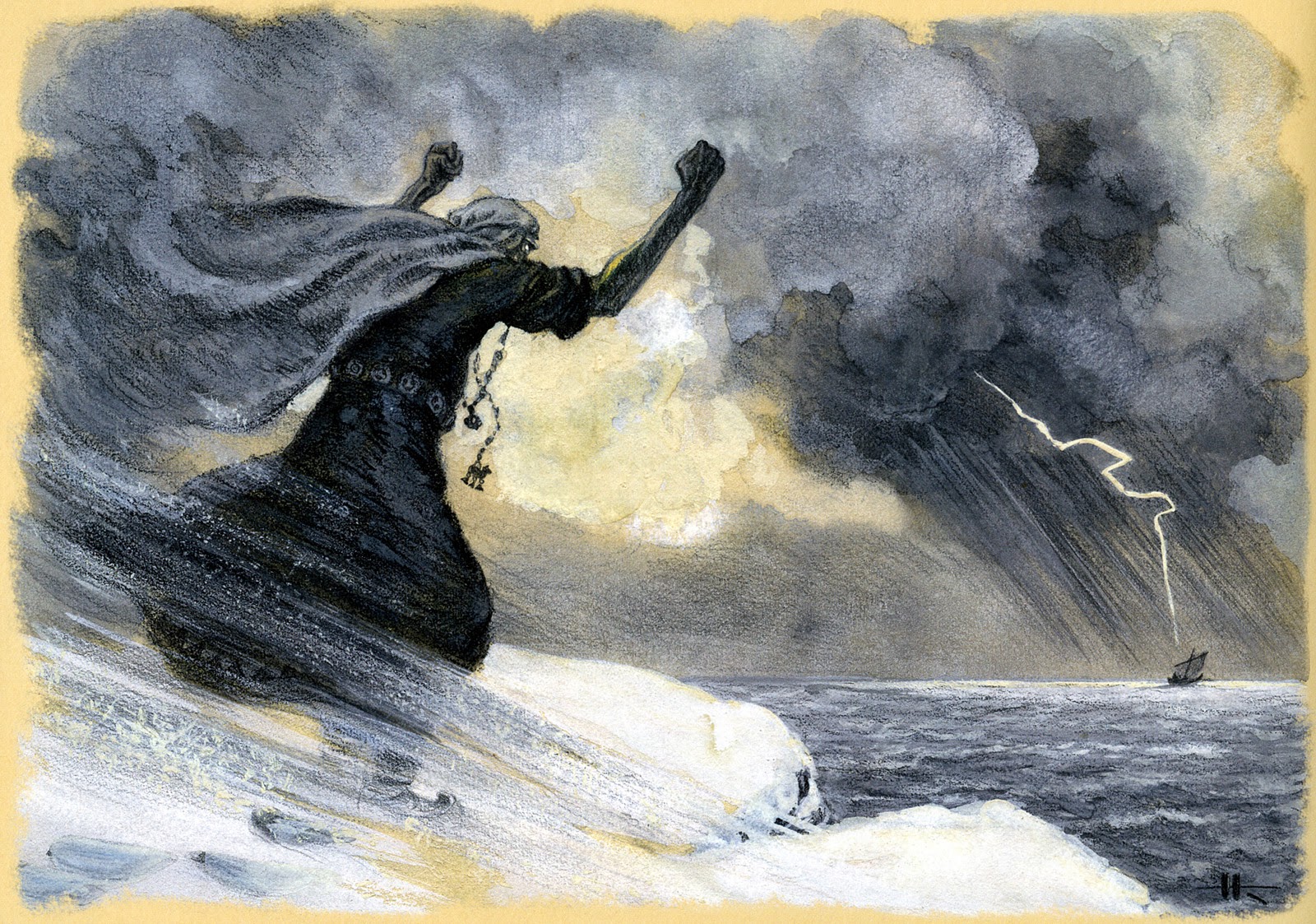
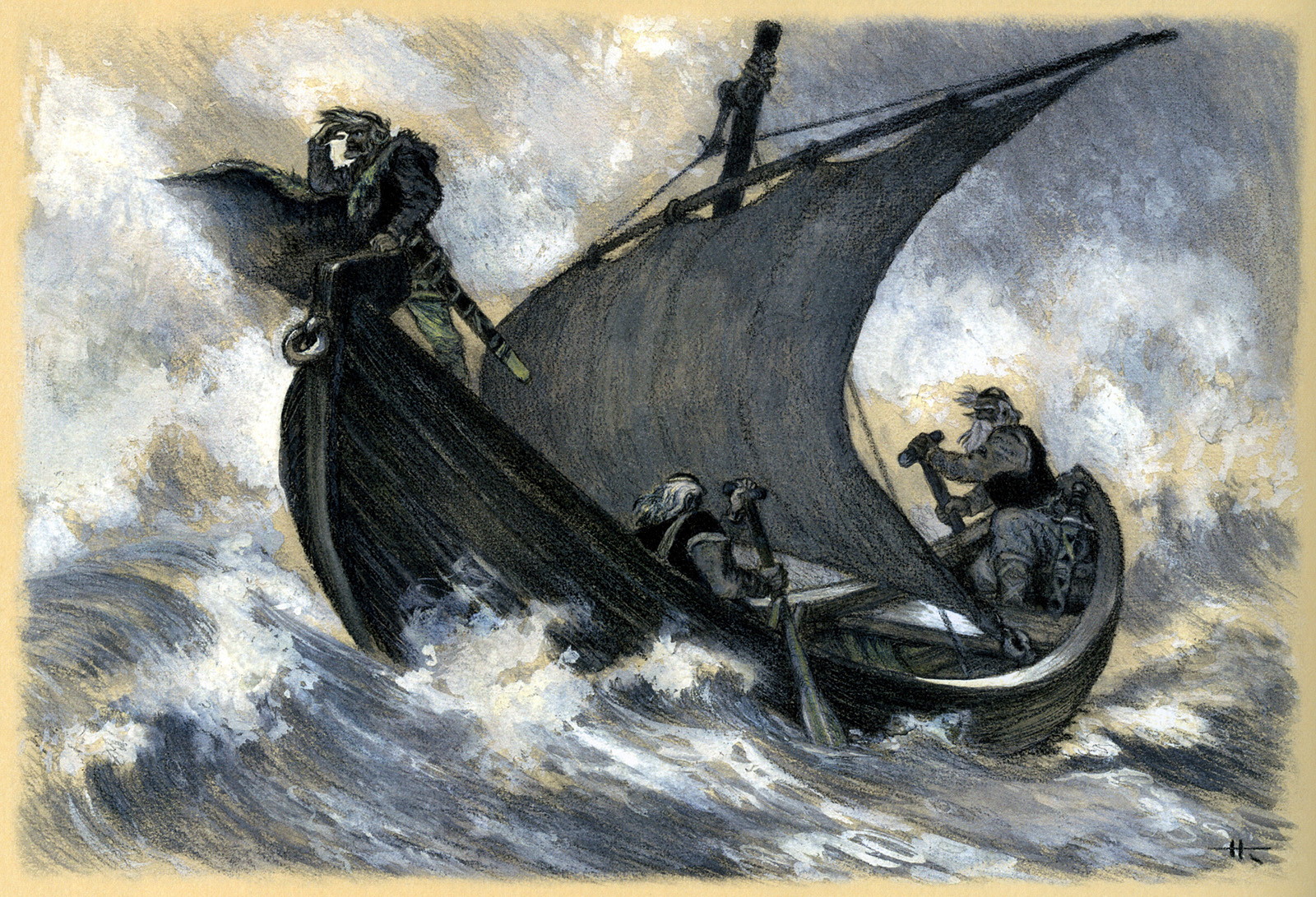
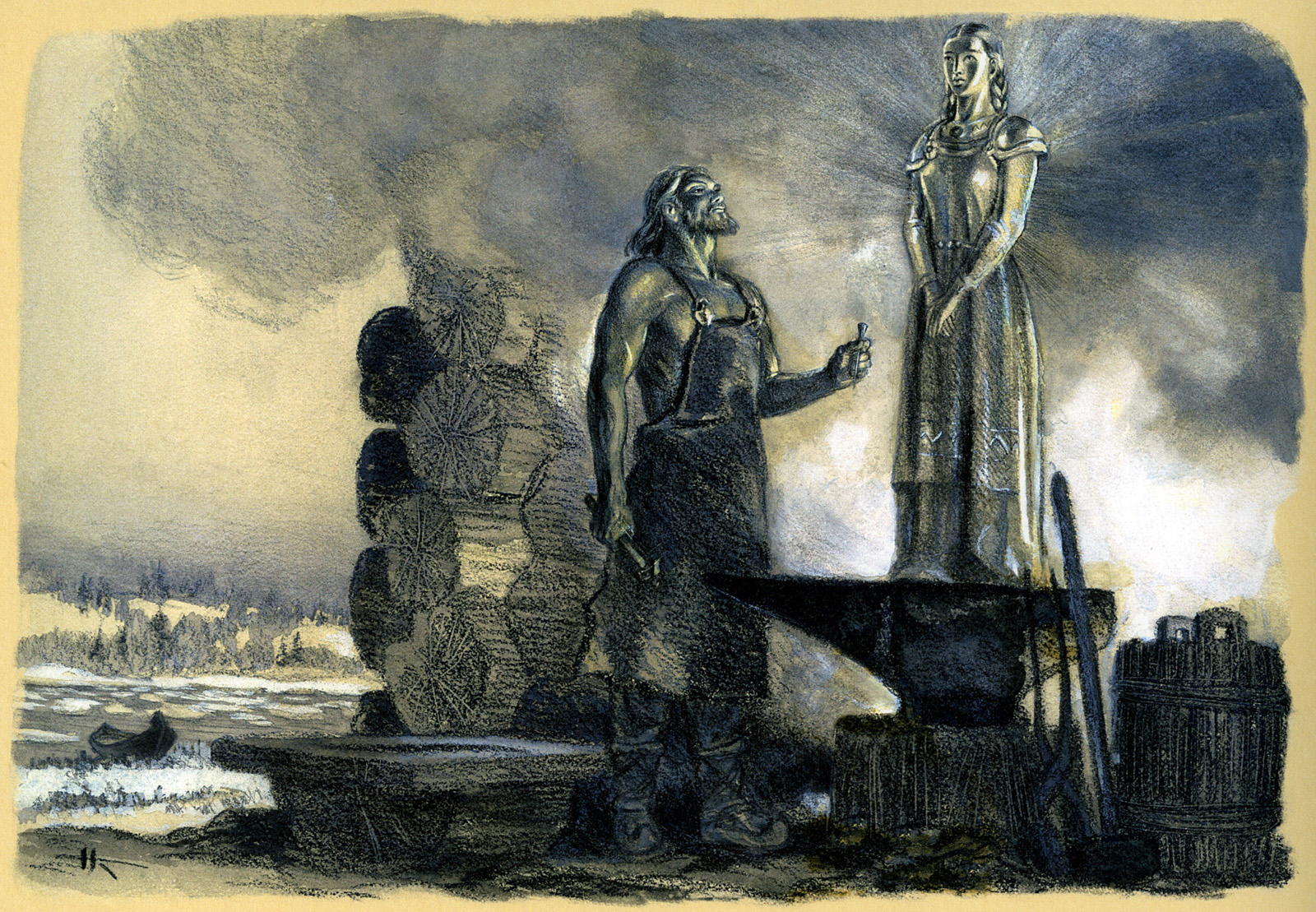
nicolai kochergin_kalevala_19_the mistress of pohjola chases the vainamoinens boat_01    nicolai kochergin_kalevala_16_vainamoinen and ilmarinen go to pohjola to take the sampo_02

nicolai kochergin_kalevala_15_ilmarinen makes a new wife of silver and gold_01      nicolai kochergin_kalevala_05_ilmarinen crafts the sampo_02

nicolai kochergin_kalevala_05_ilmarinen crafts the sampo_01    nicolai kochergin_kalevala_04_vainamoinen seeks the beauty of pohjola_03

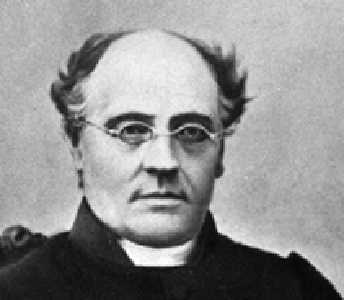
Runeberg torte: In honour of the Finnish poet Johan Ludvig Runeberg (1804–1877)

Posted in Celebration, National Day, Food
Finnish National Anthem

“Our land, our land, our fatherland,
Sound loud, O name of worth!
No mount that meets the heaven’s band.
No hidden vale, no wavewashed strand.
Is loved, as is our native North. Our own forefathers’ earth.

Thy blossom, in the bud laid low,
Yet ripened shall upspring.
See! From our love once more shall grow
Thy light, thy joy, thy hope, thy glow!
And clearer yet one day shall ring The song our land shall sing.”

Johan Ludvig Runeberg

runeberg

Runeberg torte: In honour of the Finnish poet Johan Ludvig Runeberg (1804–1877)

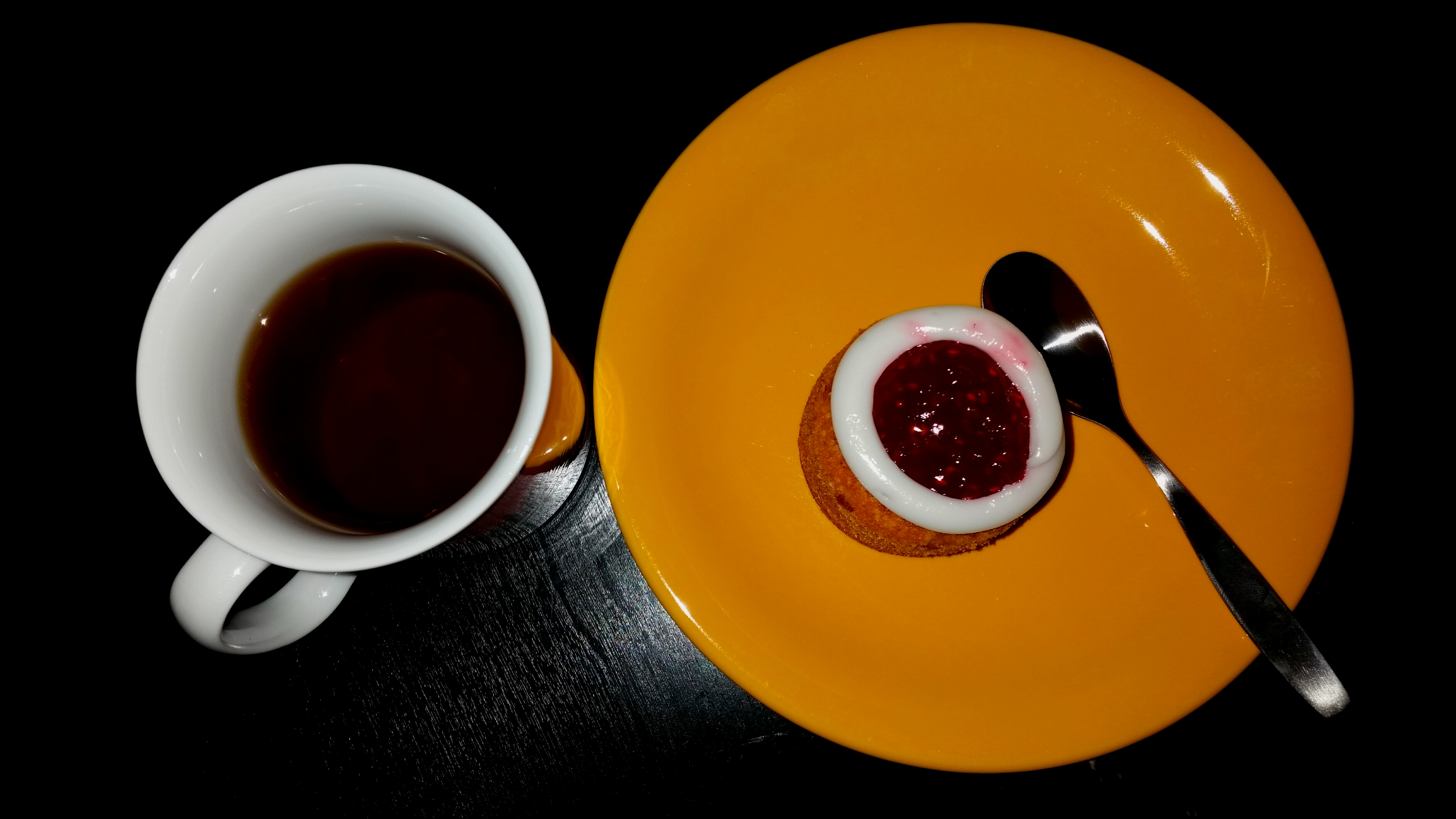
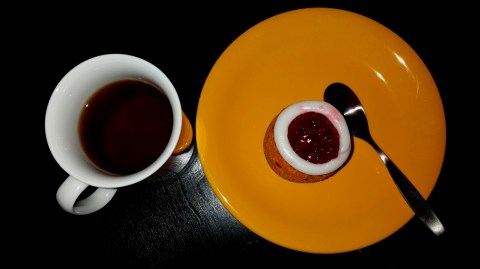
Runeberg torte is a Finnish pastry flavored with almonds and arrack or rum and it weighs about 100 grams. Raspberry jam inside a sugar ring is commonly placed on top of the tart.

The torte got its name from the Finnish poet Johan Ludvig Runeberg (1804–1877) who, according to legend, enjoyed the torte with punsch for every breakfast. Runeberg tortes are typically eaten only in Finland and are generally available in stores from the beginning of January to Runeberg’s birthday on February 5.

Delicious!

runeberg torte